

When we built the first version of our endpoint prediction model, we used published enzyme kinetics parameters derived primarily from studies on Angus and crossbred cattle, which is where most of the meat science research has been done. When we applied that model to Hanwoo beef, it consistently over-predicted the endpoint by 6 to 8 hours. Not always. Not on every cut. But often enough that we knew the model was missing something specific to the breed.
This article is about what we found when we dug into why, and what it took to build a Hanwoo-calibrated model that stopped producing that systematic bias.
What makes Hanwoo different at the tissue level
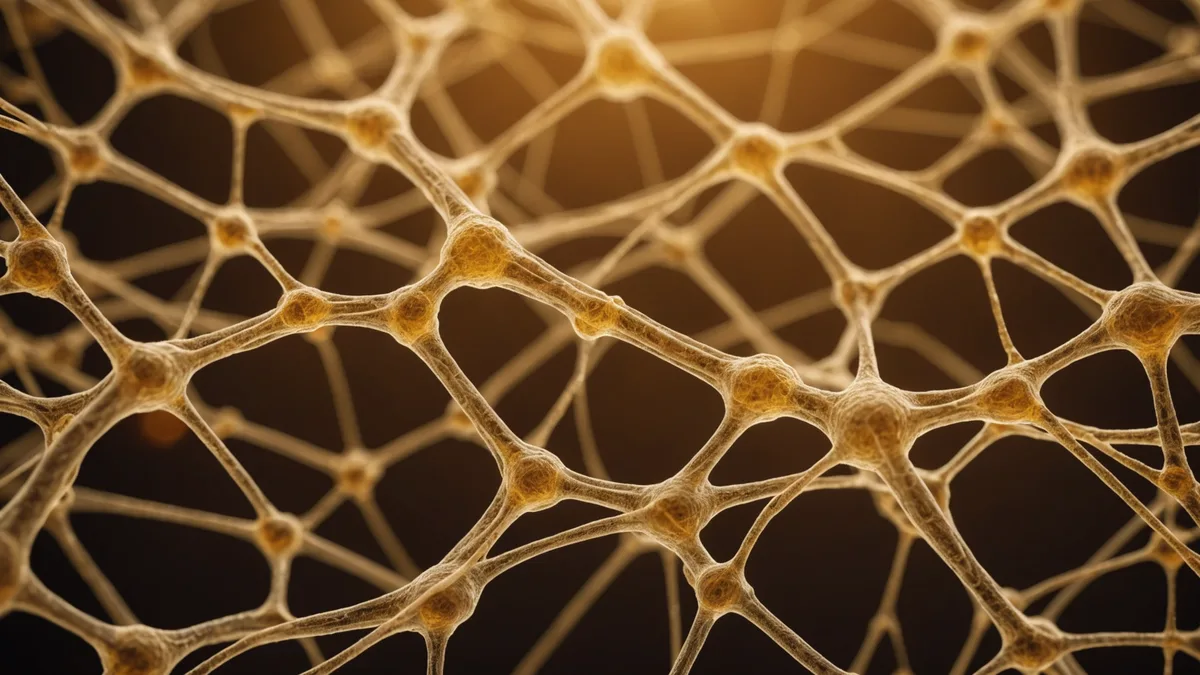
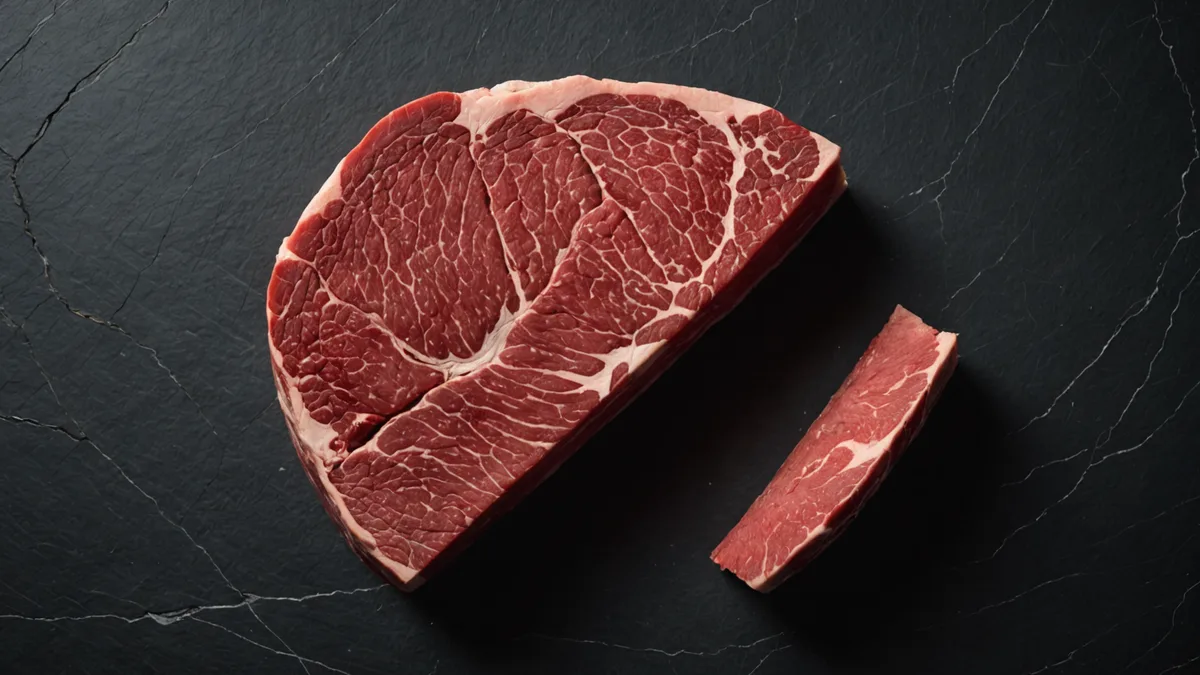
Hanwoo is a Korean native cattle breed selected over many generations for high marbling score. 1++ grade Hanwoo, the top grade in the Korean beef grading system, has intramuscular fat content that is among the highest of any commercially raised beef breed. The marbling is not just abundant, it is distributed in a characteristic spider-web pattern that permeates the muscle fiber bundles more evenly than in Angus or wagyu marbling, which tend toward larger discrete fat deposits.
This fat distribution has implications for collagen hydrolysis and the overall tenderization process. The high intramuscular fat content creates a different thermal gradient within the muscle during aging than a leaner cut, because fat conducts heat differently than muscle tissue. More importantly, the fat distribution affects the accessibility of collagenase to the connective tissue matrix. In highly marbled cuts, the intramuscular fat partially encases collagen fibers and may either facilitate or impede hydrolysis depending on the specific geometry.
The net effect in our data is that Hanwoo cuts at high marbling scores (BMS 7 and above in the Korean Beef Marbling Standard) reach target tenderness at a faster rate than the Angus-calibrated model predicts, for a given temperature and aging duration. The model was using rate parameters that underestimated how quickly the textural transformation occurs in highly marbled product.
Calpastatin and breed-specific inhibition
A second factor is calpastatin activity. Calpastatin is the endogenous inhibitor of calpain, the primary enzyme responsible for early postmortem tenderization. Breeds differ in their baseline calpastatin expression and in how quickly calpastatin is degraded postmortem.
The published literature on Hanwoo calpastatin levels is limited compared to Angus, but available evidence suggests Hanwoo has relatively lower calpastatin activity compared to some other breeds, which would be consistent with a faster early tenderization rate. We cannot directly measure calpastatin activity without destructive sampling of each batch, but we can infer it indirectly from the shape of the tenderness development curve we observe from WBSF measurements across aging runs.
The Hanwoo tenderness curve rises more steeply in the first 10 to 12 days than the Angus curve for equivalent chamber conditions. After that point, the curves converge. The difference is primarily in the early-phase rate, not in the final achievable tenderness. This means a model calibrated on the first-phase rate parameter from Angus data will be slow to predict that the Hanwoo batch has entered the target window.
The calibration protocol we developed
To recalibrate the model for Hanwoo, we ran a series of controlled aging experiments with high-marbling Hanwoo sirloin and strip loin, pulling WBSF measurements at multiple time points across the aging run rather than only at the end. This longitudinal measurement protocol is more expensive in product cost and labor than endpoint-only measurement, but it is necessary to characterize the rate of the tenderization curve rather than just the endpoint.
We fitted the rate parameters of our kinetics model to the Hanwoo curve data at each marbling score category separately. The correction factors we derived are not published here because they represent internal calibration data that will continue to be refined as our dataset grows. But the direction of the correction is consistent: Hanwoo at BMS 7 and above requires a higher effective calpain activity rate constant in the model compared to Angus-calibrated values, and the correction is larger for higher marbling scores.
The practical result is that the Hanwoo model now calls the endpoint 5 to 7 hours earlier on average for high-marbling cuts compared to the generic model, which is approximately what the original systematic bias of 6 to 8 hours suggested was needed.
Limitations of the current calibration
We want to be clear about what our calibration does and does not cover. Our Hanwoo dataset comes from a specific set of animals at a specific production facility with a specific feed and management program. Hanwoo from different operations, different ages at slaughter, or different finishing programs may have different tenderization kinetics even within the same marbling score category.
The marbling-score-based correction also does not capture within-grade variation. BMS 8 cattle can vary in their actual intramuscular fat distribution and in calpastatin levels in ways that the BMS score does not differentiate. An individual BMS 8 animal that happens to have unusually high calpastatin might tenderize more like a BMS 6 in practice.
We are not claiming our Hanwoo model is definitive. We are claiming it is significantly better than the generic Angus-calibrated model for the production context we have calibrated it on. That is the honest state of the work. Every additional batch we run with WBSF measurement at multiple timepoints tightens the calibration, and we expect the confidence interval on our Hanwoo endpoint calls to narrow as the dataset grows.
What this means for operators considering the system
For operations running exclusively or primarily Hanwoo, the breed-specific calibration is a prerequisite for useful endpoint prediction. A generic model calibrated on Angus data will give you wrong answers for Hanwoo with a consistent bias that is large enough to matter at the quality level where Hanwoo buyers transact.
For operations running mixed programs, the practical implication is that batch tracking needs to identify breed composition, and the prediction should apply the appropriate calibrated profile for each batch. The generic model remains appropriate for Angus and crossbred product. The Hanwoo model applies for identified Hanwoo batches. This is exactly the kind of per-batch profiling our system is designed to support, but it requires the operator to provide accurate provenance information for each batch when it enters the aging program.